


Let’s be real: the vast majority of the people you will deal with on your vacation are honest people trying to make a living. But there is no denying that there are people out there whose intentions are less noble, and they would love to part you from your hard-earned cash if they get a chance.
But the good news is that most of the scams you can fall for are well known and are easy to prevent if you are cautious. So, let’s talk about what you can do to protect yourself from scammers on your tour to Europe.
Europe Travel Tips: Common Scams & How to Avoid Them
Nothing Is Free

Exploring the city center, you may come across people in gorgeous historical costumes offering a free photo, or a friendly guy with a lizard, a pet pigeon or any other cutie that he will try to get you to hold, completely free of charge. Well, there is no such thing as a free photo: the moment the photo is taken, a payment will be requested.
The same goes for pushy vendors who try to put a trinket on your wrist or ask you to help with a quick demonstration. This trick is known as the “friendship bracelet scam.” Quite often, it is hard to take off quickly, so tourists usually pay for it, and often a hefty sum. It’s safer to decline confidently and look for souvenirs somewhere else.
Always Keep an Eye on Your Money

Whether you prefer to pay in cash or by card, you need to pay attention when making any payments. There are a lot of ways you can be scammed out of your money, so let’s go through the most popular traps tourists fall into.
One of the oldest tricks in the book is the slow change count. Where there is a big flow of tourists in a hurry, a dishonest vendor can count your change back very slowly, hoping you will get irritated, feel guilty for holding up the line, and accept whatever change they hand you without checking it.
If you pay with a large bill, some dishonest drivers and servers can try the following trick on you: they drop a banknote you just gave them but pretend to pick up a smaller one, hoping to shortchange you. As a preventative measure, you can state the amount you pay out loud, so the person you are paying knows you are paying attention.
When paying with your card, be careful around cashiers who serve you while on their phones, as it makes it easy to take a sneaky picture of your card info. Also, it’s not a great idea to check your card balance using public Wi-Fi. If this information gets into the wrong hands, it can both make you a target and give the scammers another persuasion tool (aka knowing specific and private information about you) to work with.
And that’s about it. To sum up the payment tips, the basic rules are very easy to follow. All you need to keep in mind is to pay careful attention to the denomination of the bill you pay with, always count your change, and watch your card if it changes hands. And, overall, it might be a good idea to opt for paying with a mobile payment app if that’s an option. If you follow these easy precautions, scamming you will be quite a challenge.
Friendly ATM Helper

ATMs on vacation can be a nightmare in and of themselves, especially if you are a fan of second-city travel. Finding one in a place you don’t know can be tricky, but finding one with fees that won’t make you wince in pain is almost always a challenge, even with the whole knowledge of humankind (aka the internet) at your disposal. Unfortunately, scammers are another thing you need to look out for.
The trick is old: someone watches you enter your PIN, then distracts you (by dropping something at your feet and asking for help, for example) and quickly swaps your card for a look-alike. In tourist areas, travelers of every age fall for it. If you approach an ATM and a friendly local offers to show you a better one for getting cash from non-local cards or to help you in any way with money withdrawal, it’s better to politely but firmly refuse and take your business to some other place.
And, of course, if you suspect that your card might be compromised, it’s better to cancel it as a security precaution. For your convenience, it’s a really great idea to have two cards issued by the same bank with you, so you can easily transfer the funds to your spare card if the need to cancel arises.
One more tip: if an ATM or a card terminal offers to charge you in your home currency instead of the local one (euros, Swiss francs and so on), say no and pay in the local currency. The exchange rate offered on the spot is almost always worse than your bank’s.
The Meter Is Your Friend

Of course, not all drivers are out to get you, but even one is enough to sour the mood. Ride-hailing apps make it easy to get a car at a price you know in advance, but they don’t work the same way everywhere: in Italy, for example, Uber offers only Uber Black and Uber Taxi in the bigger cities, and most people book licensed taxis through apps like itTaxi or FREENOW. If you take a regular taxi instead, here are a few things to keep in mind.
It’s important to establish the price (or a rough estimation at least) up front to minimize the chances of unpleasant surprises upon payment. Next, make sure that your driver turns the meter on when you get in. And if you are paying in cash, stick to bills of lower denominations to avoid giving an opportunity for any major miscalculations. And overall, being cautious usually pays off, so if the driver makes you feel in any way uncomfortable, there is a good rule of thumb you should keep in mind: “When in doubt, get out.”
Watch Out for Distraction Thieves
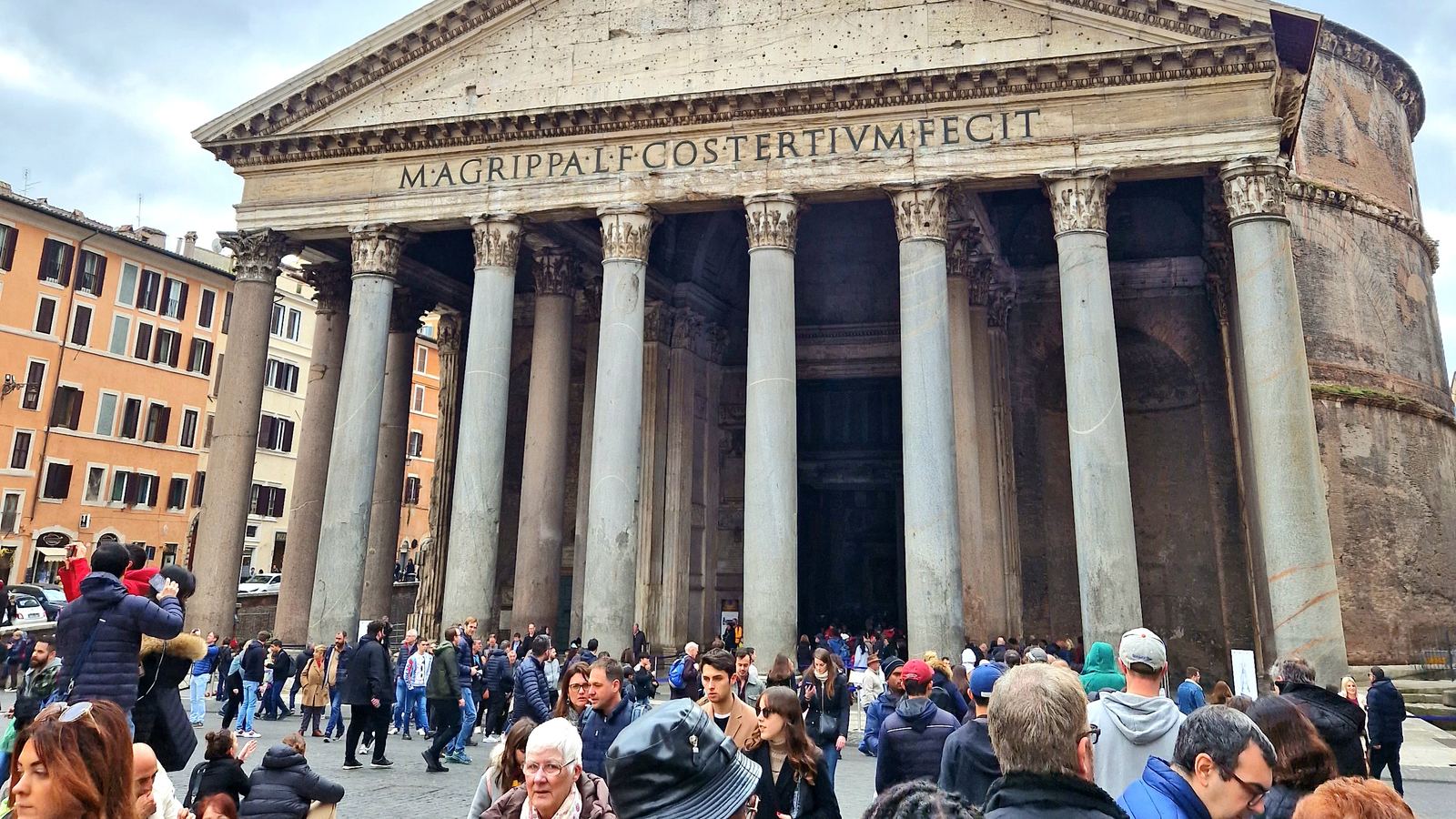
One of the most common tricks in Europe looks completely harmless. Someone approaches you in a crowd with a sad story, a petition to sign or a piece of cardboard to read, and while you are distracted, someone else checks your pockets or your bag. Groups of young pickpockets work this way too, and, trust us, they can sprint away much faster than you think.
Of course, we don’t mean that everyone asking for help is out to get your valuables. But it’s a good idea to stay alert in crowds, keep nothing valuable in easy-to-reach pockets, and invest in a good money belt or a cross-body bag before the trip.
And now you are all set to enjoy your vacation. And even though all these tips might seem like a lot, most of them are just basic common sense and the very same precautions you take at home. And even though being cautious does pay off, it’s important not to overdo it. Otherwise, you risk shutting yourself off from something wonderful. The world is your oyster, and getting to know the locals is one of the most amazing things you can treat yourself to when traveling in Europe.